Why Hiring the Right General Contractor Matters More Than the Lowest Bid
- midplainsbuildings
- Jul 31
- 8 min read
A low bid can look like a win on paper. Then the project starts, the details are unclear, and the first “unexpected” cost shows up.
That is the risk with choosing a general contractor by price alone. Whether the project is a new home, a garage, a farm shop, or an agricultural building, the contractor affects far more than the number at the bottom of the estimate. The right contractor helps protect the budget, the schedule, the property, and the finished result.
A good quote should create confidence. It should explain what is included, what is not included, how the work will be handled, and what needs attention before construction begins. If a quote is vague, it may not be a bargain. It may simply be incomplete.
For homeowners and agricultural property owners, especially in areas like Eastern Nebraska where weather, soil, access, and site preparation can shape a project, hiring the right team matters from the first conversation.

The lowest bid may leave out the most important details
A construction estimate is not just a price. It is a plan written in dollars, materials, labor, timing, and responsibilities.
When two contractors submit different prices, they may not be bidding on the same work. One may include site preparation, permits, concrete specifications, and cleanup. Another may leave those items vague or exclude them completely. On the surface, one number looks lower. In practice, the final cost may climb once the missing pieces need to be added.
A quality quote should clearly outline:
Scope of work
The estimate should explain what the contractor will build, prepare, install, or finish.
Materials to be used
General labels are not enough. The quote should identify key materials, grades, systems, and finishes where they matter.
Project timeline
A realistic schedule should account for ordering, site conditions, inspections, and weather.
Permits and inspections
The quote should make clear who is responsible for permits and how inspections will be handled.
Site preparation requirements
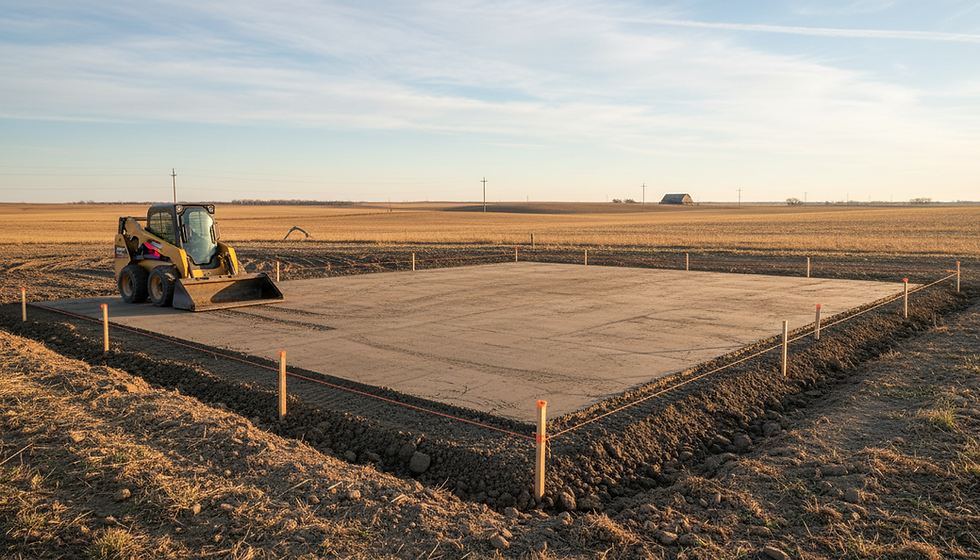
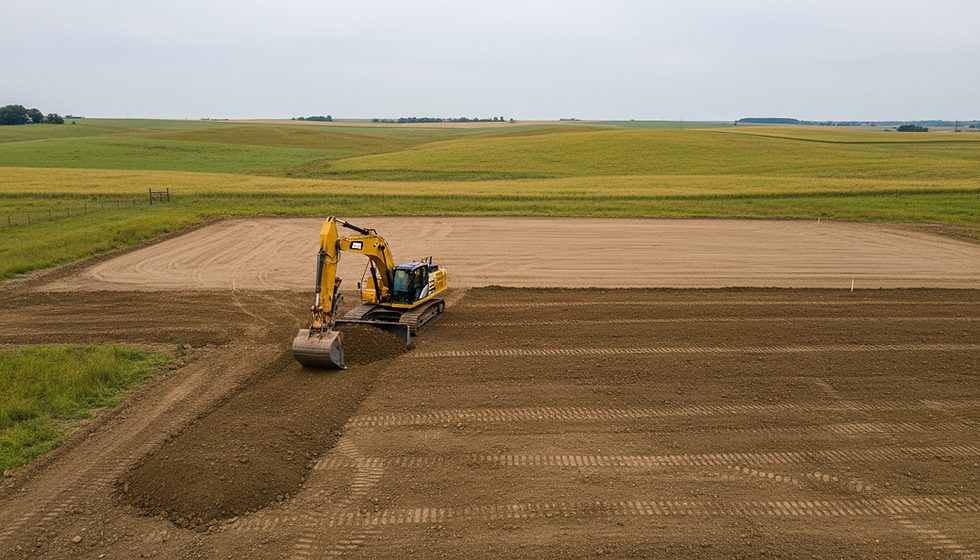
Grading, excavation, access, drainage, and utility considerations can all affect cost.
Payment schedule
Payment terms should be clear and tied to reasonable project milestones.
Warranty information
A professional contractor should explain what is covered after the work is complete.
Missing details often lead to disputes later. If the foundation prep was not included, someone still has to pay for it. If the driveway access was not discussed, delivery delays can follow. If material choices were left open, the finished building may not match the owner’s expectations.
A lower estimate may reflect a more efficient contractor. It may also reflect a quote that has not fully accounted for the job. The difference is not always obvious unless the estimate is detailed.
A professional contractor looks beyond the building
Every project sits on real land, under real weather, with real constraints. A good contractor does not price a project as if it exists in a blank space.
Before providing a serious estimate, an experienced contractor takes time to understand what the property needs. That may include looking at the site slope, soil conditions, drainage patterns, access for equipment, utility locations, and the intended use of the building.
For a new home, this may mean thinking through the foundation, driveway, excavation, and how the layout fits the property.
For a farm shop, it may mean considering equipment clearance, door placement, concrete thickness, electrical needs, insulation, and year-round access.
For an agricultural building, it may include ventilation, drainage, snow load, livestock or machinery use, and how the building will fit into daily farm operations.
That level of planning is not extra paperwork. It is how problems get prevented.
A reliable quote should answer the question, “What will this project really take?” not just “What is the lowest number we can put on the page?”
When a contractor skips these questions, the project can start with hidden risks. When the contractor asks the right questions early, the owner gets a clearer picture of the real cost and the best path forward.

Experience saves time when plans change
Construction projects rarely go exactly as planned. Weather delays happen. Materials can be backordered. Hidden site conditions appear. Owners may adjust design details after seeing the work take shape.
The difference between a smooth project and a stressful one often comes down to how the contractor responds.
An experienced contractor can spot potential trouble early. They know which parts of a schedule are flexible and which parts must happen in order. They understand when a small issue can wait and when it needs attention right away.
Mid-Plains Building Solutions brings more than 25 years of construction experience to residential and agricultural projects. That experience matters because many costly problems begin as small details.
A site that does not drain properly can affect the building pad. A rushed concrete pour can affect the long-term quality of the slab. A missed permit or inspection can slow progress. A poor material substitution can create maintenance issues down the road.
Good contractors do more than perform tasks. They manage the sequence of work, coordinate crews, solve problems, and communicate clearly when conditions change.
That kind of experience can save money, even if the initial bid is not the lowest.
Clear communication protects the budget
Many construction frustrations come from poor communication. The owner thinks one thing is included. The contractor assumes otherwise. A decision gets delayed. A change is made without a clear price. The schedule shifts, but no one explains why.
A strong general contractor sets expectations before the work begins.
That includes explaining:
What decisions need to be made before construction starts
Which items may affect the price
How change orders will be handled
When materials need to be ordered
What site access is required
How weather may affect the schedule
Who the owner should contact with questions
This does not mean every project will be perfect. It means fewer surprises.
Change orders are a good example. Sometimes a change is unavoidable. Maybe the owner chooses a different door style. Maybe excavation uncovers conditions that require more work. Maybe the building layout changes slightly.
A professional contractor explains the cost and schedule impact before moving ahead. That gives the owner control. A vague contractor may make changes first and discuss the bill later.
Clear communication also helps owners compare bids fairly. A detailed quote may look higher because it includes work that another contractor left out. Once those missing details are added back in, the “cheaper” option may not be cheaper at all.
Residential construction depends on strong planning
Building or improving a home is personal. It affects daily life, long-term comfort, property value, and future maintenance. That is why residential construction should not be treated as a commodity.
A new home requires careful planning from the ground up. The foundation, framing, utilities, layout, insulation, and finish work all connect. A mistake early in the project can affect later stages.
A home addition brings another set of challenges. The new work has to tie into the existing structure. Rooflines, foundations, utility systems, drainage, and finishes all need thoughtful coordination.
A major renovation can be even more complex. Once walls, floors, or exterior materials are opened up, hidden conditions may appear. Older wiring, uneven framing, foundation movement, or water damage can change the plan quickly.
Mid-Plains Building Solutions provides residential services such as:
New home construction
Home additions
Remodeling and renovations
Garages and detached buildings
Excavation and site preparation
Concrete foundations and flatwork
Each service affects the quality of the finished project. A garage still needs proper site prep and concrete work. A home addition still needs careful integration with the existing home. A remodel still needs scheduling, communication, and skilled problem solving.
The right general contractor helps make sure the project is built correctly from the beginning, not patched together later.

Agricultural buildings need practical construction decisions
Farm and agricultural buildings are working buildings. They are not only meant to look good. They have to stand up to use.
A farm shop may need wide overhead doors, durable concrete, good lighting, insulation, and enough space for equipment repairs. A machine shed may need clear spans, proper drainage, and easy access for large vehicles. A livestock or storage structure may call for ventilation, practical layout, and materials suited to the environment.
These buildings also need to fit the way the property operates. Door placement can affect traffic flow. Floor slope can affect drainage. Site grading can affect access during wet seasons. Building orientation can affect snow drifting and wind exposure.
A low bid that ignores these practical details may create problems for years.
An experienced contractor looks at how the building will be used, not just how it will be built. That helps the owner make better decisions about size, layout, materials, and site preparation.
For agricultural property owners, the cheapest option can become costly if the building does not support daily work. A well-planned structure should make the property more useful, not harder to manage.
The best value is not always the lowest number
There is nothing wrong with watching the budget. Every responsible property owner should know what a project will cost and compare options carefully.
The key is to compare value, not just price.
A low bid may be risky when it | A strong quote gives more confidence when it |
Uses vague material descriptions | Lists key materials and specifications |
Leaves site preparation unclear | Explains grading, excavation, and access needs |
Skips permit and inspection details | Identifies responsibilities before work begins |
Offers an unrealistic timeline | Accounts for sequence, weather, and lead times |
Provides little warranty information | Explains what is covered after completion |
A good contractor may not always be the lowest bidder. They should be able to explain their estimate in plain language. They should be willing to discuss options, answer questions, and help the owner understand where the money is going.
That transparency matters. It gives the owner the information needed to make a sound decision.
If one quote is much lower than the others, ask why. The answer may be reasonable. The contractor may have a better method, fewer scheduling conflicts, or access to materials at a better price. But if the answer is unclear, the low number deserves caution.
What to ask before hiring a general contractor
Before choosing a contractor, a few direct questions can reveal a lot about how the project will be handled.
Ask questions like:
What is included in this quote?
What is excluded?
What conditions could change the price?
Who handles permits and inspections?
How will site preparation be managed?
What materials are specified?
How are changes priced and approved?
What is the expected timeline?
Who will communicate updates during the project?
What warranty or follow-up support is provided?
The answers should be specific. A contractor does not need to promise that nothing will ever change. That would not be realistic. But they should explain how they manage changes when they happen.
The goal is not to pressure a contractor into saying yes to everything. The goal is to learn whether they understand the project, respect the budget, and have a clear process.

Choose confidence over guesswork
Hiring a contractor is one of the biggest decisions in any construction project. The lowest bid may feel safer at first because it reduces the number on the estimate. But if that number does not include the full scope, the real cost may show up later through delays, change orders, quality issues, or unfinished details.
The better choice is a contractor who listens, evaluates the property, explains the work, and provides a clear quote. That kind of process gives homeowners and agricultural property owners a stronger foundation before the first piece of equipment arrives.
Mid-Plains Building Solutions believes an accurate quote should reduce uncertainty. With more than 25 years of experience, the focus stays on practical planning, honest communication, and quality work that fits the property and the purpose.
The right general contractor does more than build. They help guide the project from idea to finished structure with fewer surprises along the way. That is where the real value is found.

Comments