Spring Concrete Construction Projects in Nebraska: Why Timing Matters
- midplainsbuildings
- Jan 19
- 3 min read
Spring brings a fresh start to many outdoor projects, and concrete construction in Nebraska is no exception. The season offers ideal conditions for laying foundations, building patios, driveways, and other concrete structures. However, timing plays a crucial role in ensuring the success and durability of these projects. Understanding why spring is the best time to begin concrete work in Nebraska can save time, money, and headaches down the road.

Why Spring Is Ideal for Concrete Projects in Nebraska
Nebraska’s climate features cold winters and hot summers, with spring offering a moderate window of opportunity for construction. Here are the main reasons why spring stands out:
Temperature Range: Concrete cures best when temperatures stay between 50°F and 70°F. Spring in Nebraska typically provides this range, avoiding the freezing risks of winter and the rapid drying issues of summer heat.
Soil Conditions: After winter thaw, the ground is moist but not saturated. This moisture helps concrete cure evenly without cracking or shrinking.
Longer Daylight Hours: More daylight means longer working hours, allowing projects to progress faster and reducing the risk of delays.
Starting concrete work too early in the year risks frost damage, while waiting too long can expose the project to summer heat stress. Spring strikes a balance that supports strong, long-lasting concrete.
Preparing for Your Spring Concrete Project
Proper preparation before the first pour can make a big difference. Here are key steps to take:
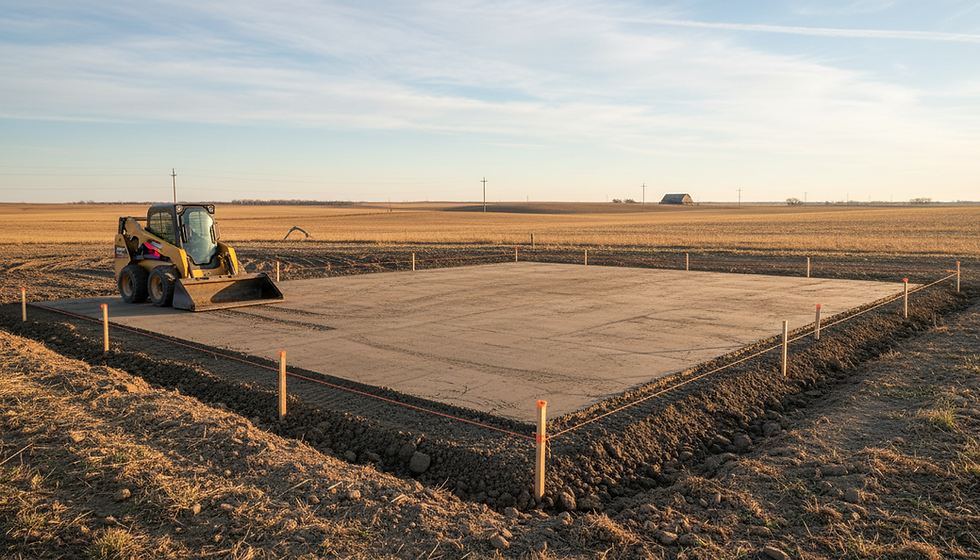
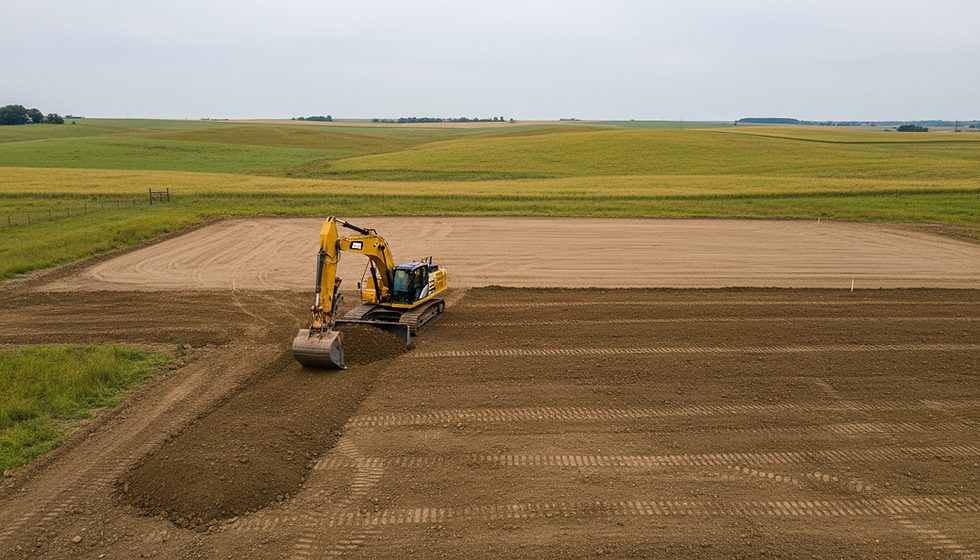
Site Inspection: Check for any frost heave or uneven ground caused by winter freeze-thaw cycles. Level and compact the soil to create a stable base.
Material Planning: Order concrete and supplies ahead of time. Spring demand can increase lead times, especially for larger projects.
Weather Monitoring: Keep an eye on the forecast. Avoid pouring concrete if temperatures are expected to drop below 40°F within 24 hours after pouring.
Permits and Regulations: Confirm local building codes and obtain necessary permits. Nebraska municipalities may have specific requirements for concrete work.
Taking these steps ensures your project starts smoothly and avoids common pitfalls.
Common Spring Concrete Projects in Nebraska
Spring is a popular time for a variety of concrete projects. Here are some examples:
Driveways and Walkways: Replacing or installing new concrete driveways and sidewalks improves curb appeal and functionality.
Patios and Outdoor Living Spaces: Concrete patios provide durable, low-maintenance areas for outdoor gatherings.
Foundations and Footings: Spring is ideal for laying foundations for new buildings or additions before summer construction ramps up.
Retaining Walls and Landscaping Features: Concrete walls and edging help control erosion and define garden spaces.
Each project benefits from the moderate spring climate, which supports proper curing and reduces the risk of cracking.

Tips for Successful Concrete Curing in Spring
Curing is the process that allows concrete to reach its full strength. In spring, follow these tips to ensure proper curing:
Keep Concrete Moist: Use water sprays or wet coverings to prevent the surface from drying too quickly.
Protect from Temperature Swings: Use insulating blankets if nighttime temperatures drop near freezing.
Avoid Heavy Loads Early: Wait at least 7 days before driving or placing heavy objects on new concrete.
Seal the Surface: Applying a concrete sealer after curing protects against moisture penetration and freeze-thaw damage.
Proper curing extends the life of your concrete and maintains its appearance.
Challenges to Watch for During Spring Concrete Work
While spring offers many advantages, some challenges require attention:
Unpredictable Weather: Sudden rain or frost can disrupt pouring schedules and affect curing.
Soil Saturation: Excessive moisture from melting snow or rain can weaken the soil base.
Allergy Season: Pollen and dust can settle on wet concrete, affecting the finish.
Planning for these factors helps avoid delays and ensures quality results.
Final Thoughts on Timing Your Concrete Project
Spring is the best season to start concrete construction projects in Nebraska because of its moderate temperatures, favorable soil conditions, and longer daylight. Proper preparation, careful monitoring of weather, and attention to curing details will help your project succeed. Whether you are building a driveway, patio, or foundation, starting in spring sets your concrete work up for strength and durability.

Comments